
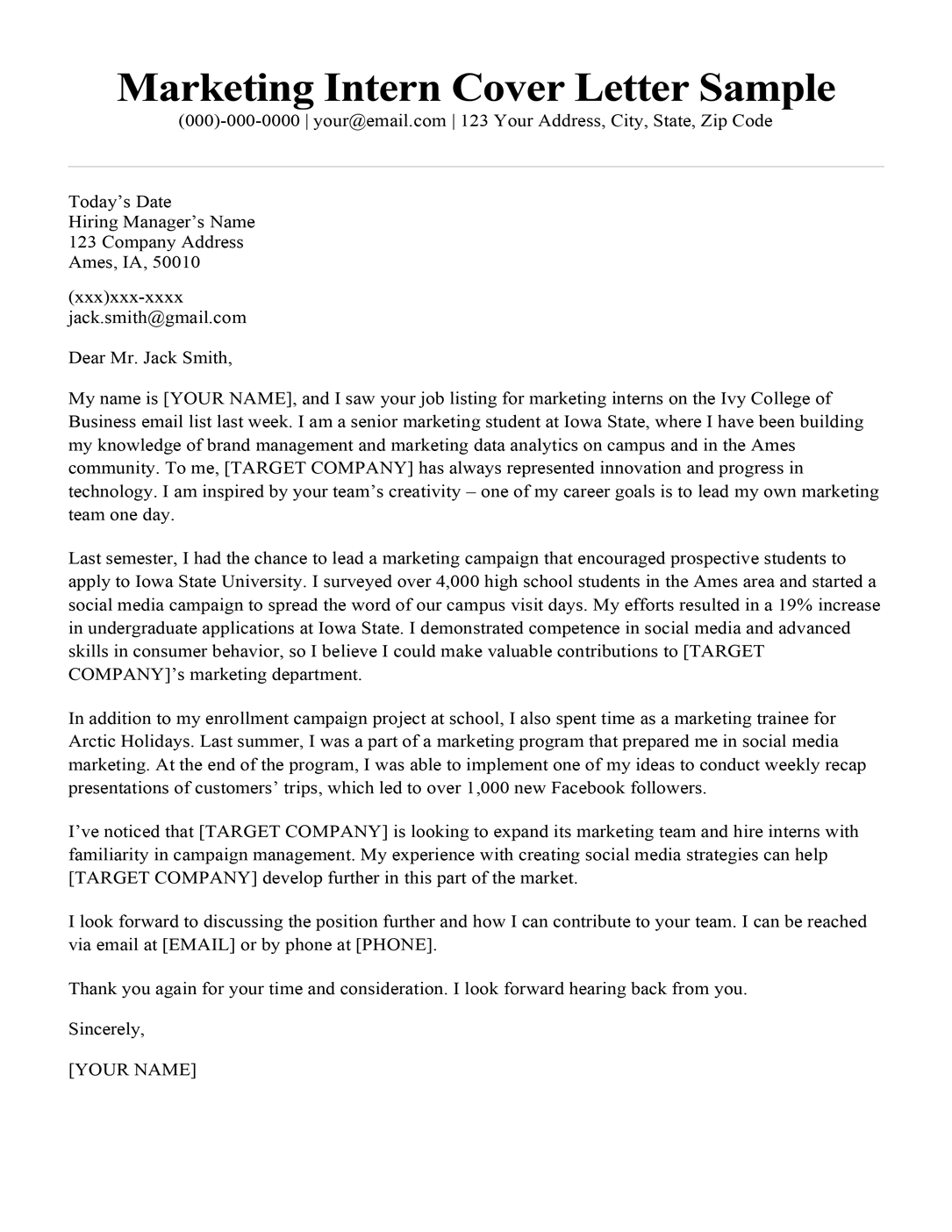

How to Write an Email for an Internship
A well-written email is one of the most important factors in landing an internship. It will show your commitment to the company and the opportunity, and demonstrate how you’re a good fit.
Before writing your email, think of ways you can personalize it to the person you’re sending it to. This will make it more likely that they’ll read it and reply.
Customize Your Templates
Internships are an excellent way to start your career and gain valuable work experience in a new field. They can also help you make connections with professionals in the industry and increase your chances of landing a full-time job after graduation.
The best way to get an internship is by finding a company that needs your skills and putting in the extra effort to ask for it. But you need to know how to write an effective email asking for an internship so that your efforts don’t go unnoticed.
Before you begin writing your email, you’ll need to do some research on the company and the internship opportunity. This will allow you to create a personalized, professional and compelling email that reflects your interests and skills.
Identify the position that you are seeking by stating clearly what you desire out of this internship. This will make you stand out as a detail-oriented candidate who pays attention to critical announcements, knows the job market space, has prior quality knowledge and is willing to learn more and contribute to the company.
Customize your template by including the name of the person you are contacting, their email address and a link to the company’s internship posting if it exists. You should also include a subject line that will catch their eye and encourage them to read your message.
You can also customize your template by adding a personal note about why you’re interested in the internship and what you hope to gain from it. This can make your email more interesting and appealing to read, and it can increase your chances of getting a response.
Another thing to remember when writing an internship email is that it’s important to follow up with the person you contact. This is especially true if you don’t receive a response to your initial email.
To increase your chances of receiving a reply, make sure to keep your follow-up email short and to the point. This will not only save time, but it will also show that you are interested in the internship and want to hear back from them.
Research the Company and the Opportunity
Before you send an email to an internship company, it’s important to research the company and the opportunity. This will help you understand what they’re looking for in an intern and how to personalize your message. It will also make it sound natural and show that you are genuinely interested in the opportunity.
First, determine the specific industry you want to work in and evaluate your priorities. For example, if you’re looking for extra credit or need experience for a future job, find an internship that fulfills those requirements. You’ll also want to consider your financial situation and if you can afford to take unpaid opportunities.
Next, identify the person or department that you want to work with. This can be easy to do using LinkedIn or the company’s website. Usually, a company’s LinkedIn page has a list of HR managers and other relevant contacts.
Finally, write a short and professional email to the right contact. In this email, explain why you are interested in working with them and how it would fit with your educational background and career goals. Then, ask if you can speak to them about completing an internship at their firm.
It is a good idea to follow up with a follow-up email to increase your chances of receiving an interview. This can be as simple as a reminder of why you’re interested in the position, your resume and cover letter, and your availability to speak with them further about the internship.
Write a Catchy Subject Line
A catchy subject line is a great way to catch the attention of human resources professionals and recruiters, which can make it easier for you to get your application for an internship accepted. The subject line should clearly outline who you are, what you’re applying for, and the specific position.
It’s also important to be specific, since many human resources professionals and recruiters receive hundreds of applications for internship opportunities each week. They are busy and don’t have time to read through every email that lands in their inbox, so a catchy subject line will help you stand out from the crowd.
The subject line of your email should also include the company name and a link to the internship posting, if possible. This makes it easier for them to find the information they need and saves them time.
Another tip is to use a professional tone when writing an internship email. Using proper grammar, spelling, and tone will impress the hiring manager, and they’ll be more likely to consider your application.
Lastly, always address the person by their correct pronouns and last name. Doing so is a great way to make the person feel appreciated and ensure they aren’t just being sent an email from a stranger.
To make the internship request more personal, discuss why you’re interested in an internship and what excites you about working for that company or project. Then, mention your relevant work experience and highlight any skills you bring to the table.
You should also include any contact details you have, which can be a useful tool for a potential employer to reach out to you if they’re interested in hiring you. They might want to set up a phone call or follow up with an in-person meeting, so it’s a good idea to include your cell number and email address as well.
It’s a good idea to send out multiple emails for internship opportunities in order to increase your chances of getting the one that’s right for you. This can be a great way to boost your career and gain experience that can lead to success in the future.
Include Your Resume
Including your resume in your internship email is one of the most important things you can do. It sets the tone for your email and gives the recruiter a sense of who you are and what you can bring to the company.
If you are a college student or just beginning your career, an internship is a great way to get experience that will help you land a job after graduation. The key is to tailor your resume to match the specific skills and experience required by the employer.
Start your internship resume with an introduction that describes your education, skills, and other qualifications. Include all of your academic credentials, such as degrees and certificates, along with any extracurricular activities that are relevant to the position you’re applying for.
After this, list your work experience in reverse chronological order with the most recent position first. You can divide your work experience into different sections, such as Research Experience, Marketing Experience, Administrative Experience, or Teaching Experience.
Use bullet points to highlight your most impressive accomplishments and responsibilities. Each point should be two or three sentences long, and you can include action-oriented verbs that emphasize your ability to accomplish goals.
You can also include a section for awards and honors, which can help you stand out from the other applicants. Be careful to only include awards that are relevant to the position you’re interviewing for.
Regardless of your educational background, it is important to list your current work experience and any previous unrelated jobs you have held in reverse chronological order, with the most recent positions listed first. If you are applying to multiple internships, then you can also use an “internships” section that will only contain your most recent internships and will be listed in reverse chronological order, as well.
Finally, you may want to include a “skills” section that includes both technical and soft skills. This will be important to the employer, as it will show them that you have the necessary knowledge and experience to do the job.
You should also include a professional email address and phone number on your resume, as these are required by most employers. You can use your campus address or home address, depending on where you are looking to intern. You can also use a professional social media handle, such as LinkedIn, on your resume to give the employer more information about you and what you can bring to the company.